Sailboat Imports Need the Right Plan From the Start
Importing sailboats to Australia involves more than finding the right vessel and arranging international freight. A sailboat’s size, mast, keel, beam, rigging, cradle, trailer, condition and arrival method all affect how the import process should be handled.
Before the vessel leaves overseas, it is important to understand how it will be transported, what documents are needed, how customs and biosecurity clearance will be managed, and what happens once the sailboat arrives in Australia. Getting these steps clear early helps reduce delays, extra costs and avoidable clearance issues.
Why Sailboats Need Careful Import Planning
Sailboats often need more planning than smaller powerboats because their mast, rigging, keel, beam, trailer or cradle can all affect the shipping method, loading process and clearance requirements. Second-hand vessels also need careful preparation before shipping, as hull condition, bilge areas, deck fittings, storage spaces, marine growth and antifouling can all affect biosecurity clearance.
Before importing a sailboat, it is worth checking:
- Overall length, beam, mast and keel dimensions
- Whether the sailboat is travelling on a trailer or cradle
- Hull, bilge, deck fittings and storage areas
- Cleaning, antifouling and visible marine growth
- Whether the vessel is shipping as cargo or sailing into Australia
- Any trailer, air-conditioning or registration requirements
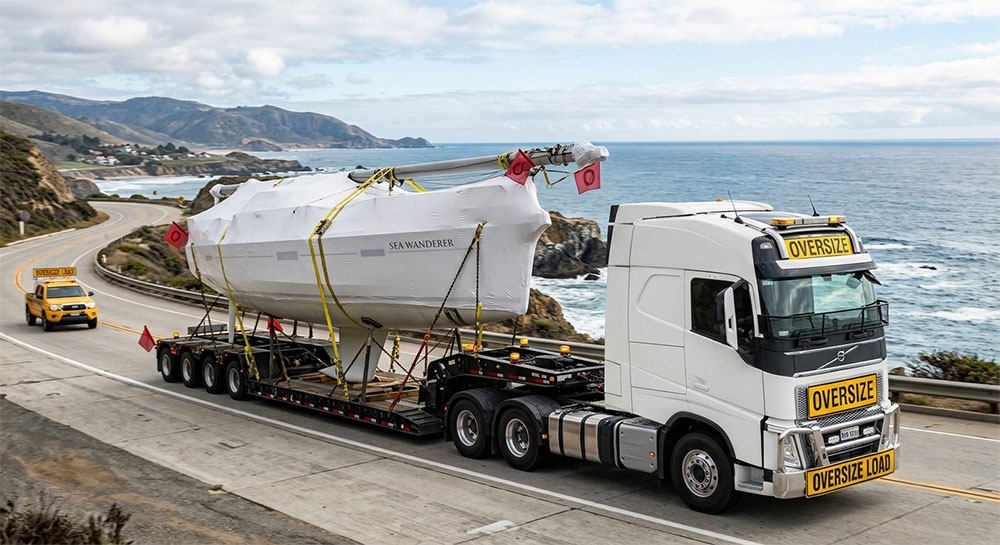
Planning the import process early helps make sailboat shipping, customs clearance and quarantine preparation easier to manage.
Choose the Right Shipping Method
The right shipping method depends on the sailboat’s dimensions, value, location and handling requirements. Beam, mast length, keel depth, trailer size and cradle requirements all affect the freight method, loading process and final cost, so accurate measurements are essential before the shipping plan is confirmed.
The main options include:
- Container shipping for smaller sailboats where dimensions allow
- Roll on Roll off shipping for suitable vessels on trailers
- Break-Bulk shipping for boats moved on cradles
- Flat rack options for vessels that cannot fit inside a container
- Charter or specialist vessel services for larger yachts
- Final transport from port to destination after arrival
What Affects the Import Plan?
No two sailboat imports follow exactly the same process. The best shipping method depends on the vessel’s dimensions, origin, value, trailer or cradle setup, available loading equipment and whether any parts need to be removed before transport.
Masts, keels, radars, windscreens and other fittings can affect the overall freight dimensions. Reviewing these details early helps create a clearer shipping plan and gives the freight team the information needed to prepare a more accurate quote.
Shipping as Cargo vs Sailing Into Australia
One of the most important questions is whether the sailboat will be shipped as cargo or sailed into Australia under its own power. A sailboat shipped as cargo is handled through the freight process, with the vessel moved through loading, international transport, customs clearance, quarantine inspection and release after arrival.
A yacht sailing into Australia follows a different arrival process. It must enter through a recognised port of entry, with customs and biosecurity requirements managed before arrival. DAZMAC’s sailing-into-Australia guidance notes that Australian Customs must be notified at least 96 hours before arrival, so this should be planned well before the vessel reaches Australian waters.
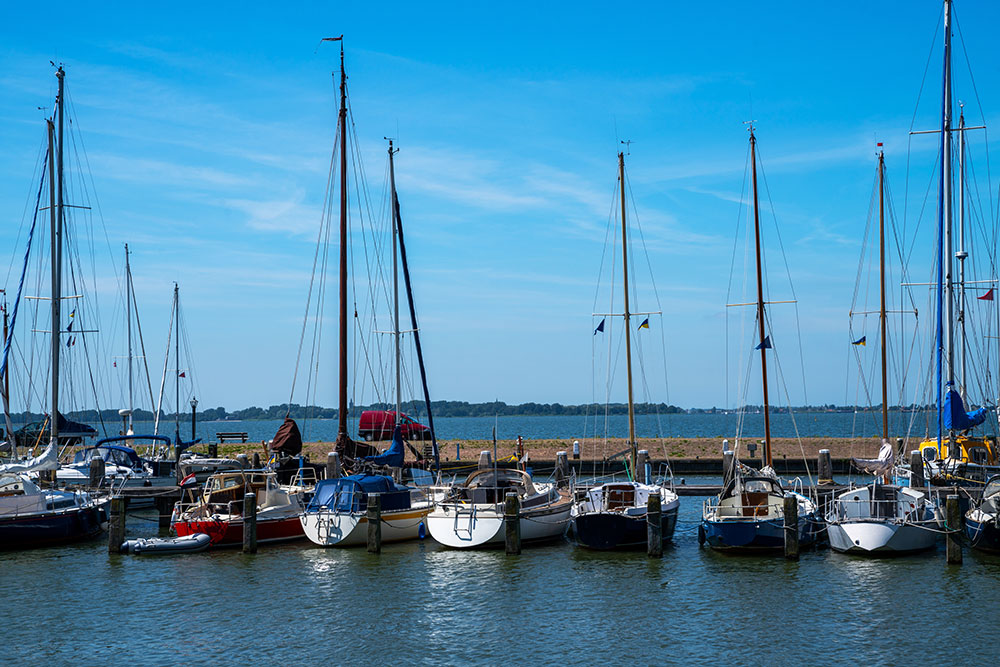
Sailboats may be shipped as cargo or sailed into Australia, with each pathway needing different arrival planning.
Customs, Quarantine and Cleaning Requirements
Customs and quarantine clearance are central parts of importing a sailboat. The vessel’s purchase documents, ownership details, value, country of origin, shipping method and arrival details all need to be organised so the clearance process runs properly.
Biosecurity preparation is especially important for used sailboats. The hull, bilge, engine areas, anchor well, storage compartments, deck fittings, trailer or cradle can all carry marine growth, soil, organic matter or water residue. Thorough cleaning before shipping, along with appropriate antifouling where relevant, helps reduce the risk of delays, inspections and additional treatment costs after arrival.
Trailers, Cradles, Systems and Registration
If a sailboat is imported on a trailer, the trailer needs to be treated as a separate import issue. Boat and yacht trailers may require their own import permit for customs clearance, while cradled vessels are generally handled as Break-Bulk cargo and may need specific lifting, securing or discharge arrangements.
Onboard systems should also be checked before import. Boats and yachts with air-conditioning may require a CFC permit for customs clearance, while registration after arrival depends on how and where the sailboat will be used, including whether state, territory or national vessel registration applies.
How DAZMAC Helps With Sailboat Imports
At DAZMAC, we help customers manage the practical steps involved in importing sailboats, yachts and other marine cargo to Australia. This includes shipping coordination, customs clearance, quarantine management, documentation support, offshore cleaning guidance and advice on the best transport method for the vessel.
Our team works with container, RORO, Break-Bulk, flat rack and charter options depending on the sailboat’s size, location and handling needs. We also help customers understand important details before shipping, including trailer requirements, cleaning, vessel dimensions, arrival planning and final delivery after clearance.
Get Help Importing Your Sailboat to Australia
If you are planning to import a sailboat to Australia, DAZMAC can help you understand the key requirements before shipping. Contact our team to discuss your vessel, dimensions, trailer or cradle, shipping method, customs requirements, quarantine preparation, or get an instant quote online before the import process begins.
FAQs
Can I import a used sailboat to Australia?
Yes, used sailboats can be imported to Australia, but they need careful cleaning before shipping. Hulls, bilges, storage areas, trailers and cradles should be checked for marine growth, soil, water residue and other biosecurity risks.
Is it better to ship a sailboat as cargo or sail it into Australia?
It depends on the vessel, route and arrival plan. Shipping as cargo follows a freight clearance process, while sailing into Australia requires customs and biosecurity arrival steps before reaching a recognised port of entry.
What shipping methods are used for sailboats?
Sailboats may be shipped by container, Roll on Roll off, Break-Bulk, flat rack or specialist charter services. The right method depends on the sailboat’s beam, mast, keel, cradle, trailer and overall dimensions.
Do sailboats need quarantine cleaning before import?
Yes, cleaning is an important part of preparing a sailboat for import. Used vessels should be checked for marine growth, bilge contamination, organic matter and residue that could delay biosecurity clearance after arrival.
Do I need to register a sailboat after importing it?
Import clearance and registration are separate steps. After the sailboat clears customs and biosecurity, registration depends on where and how the vessel will be used in Australia.