A Smarter Way to Move Vehicles Across Long Australian Distances
Australia’s size presents a unique challenge for vehicle transport. Moving a car, 4WD, commercial vehicle or specialist vehicle across a long interstate route can mean thousands of kilometres of road exposure, from dust and debris to vibration, red dirt and unnecessary wear.
Coastal shipping around Australia offers a smarter way to move vehicles over longer distances. Instead of sending your vehicle across inland roads, it can travel by sea between major coastal locations, helping make long-distance vehicle transport cleaner, more secure and more practical.
What Is Coastal Shipping for Vehicles?
Coastal vehicle shipping is the process of moving vehicles by sea between Australian ports. For many suitable vehicles, this is done using Roll on Roll off vessels, where the vehicle is driven onto the ship, secured for the journey, transported around the coast and then driven off at the destination port.
Roll on Roll off shipping is often a practical option for cars, 4WDs, commercial vehicles and other vehicles that can be safely driven or rolled onto the vessel. Container shipping may also be used in some cases, particularly where the vehicle type, value or transport requirements make enclosed container movement the preferred option.
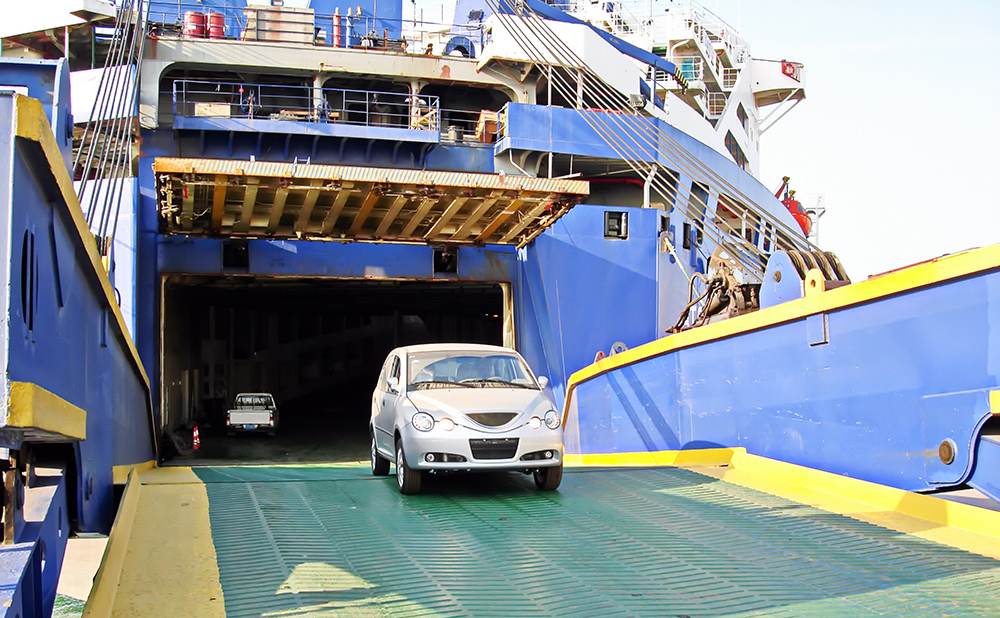
Coastal shipping around Australia gives vehicle owners a practical alternative to long-distance road transport.
Why Coastal Shipping Is Better for Long-Distance Vehicle Transport
The longer the journey, the more important the transport method becomes. Road transport can still be useful for shorter or more regional movements, but long interstate routes can expose a vehicle to conditions that many owners would rather avoid.
Coastal shipping helps reduce several of the main issues linked with extended road transport:
- The vehicle spends less time exposed to long inland road routes.
- Sea freight helps reduce exposure to insect debris, road grime and red dust.
- Keeping the vehicle off long road routes can reduce exposure to loose stones and road debris.
- Coastal shipping helps avoid the vibration associated with extended road transport.
- The vehicle is transported around the coast without adding unnecessary kilometres.
- It works especially well for major interstate and east-west vehicle movements.
Coastal Shipping vs Road Transport: When Does Sea Freight Make More Sense?
Road transport still has a place. For shorter routes, regional deliveries or locations that are not close to major port networks, road transport may be the most convenient option. It can also work well when direct pickup and delivery are the main priorities and the distance is relatively manageable.
Sea freight makes more sense when the route is long, the road conditions are demanding, or the owner wants to reduce unnecessary exposure. For vehicle movements involving Western Australia, the eastern states and other major coastal routes, coastal shipping often provides a more organised and practical alternative to sending a vehicle across the country by road.
The key difference is how the vehicle completes the journey. Road transport exposes it to the conditions of the road for the full distance, while coastal shipping moves it around the coast by sea. For many longer vehicle movements, that makes sea freight the stronger choice.
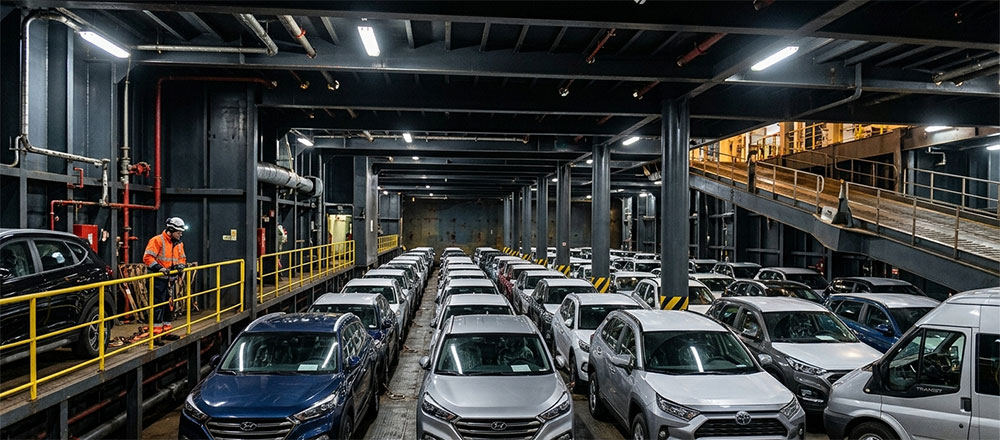
Coastal vehicle shipping helps reduce road exposure, dust and debris on long interstate routes.
When Is Coastal Shipping the Best Choice?
Coastal shipping is most valuable when the distance is long enough for road exposure to become a genuine concern. It is also a strong option when the vehicle is being moved between major coastal cities or port-connected locations, where sea freight can be built into the overall transport plan.
It can be especially useful for:
- Long interstate routes: Particularly where road transport would involve thousands of kilometres.
- East-west vehicle movements: Including routes connected with Western Australia and the eastern states.
- Specialist vehicles: Such as race cars, rally cars, prestige vehicles, modified vehicles and well-kept private cars.
- Commercial vehicles: Where condition, timing and organised freight handling matter.
- Multiple vehicle movements: Including dealer, broker, business or fleet-related transport.
- Owners who do not want the vehicle driven long distances: Especially when avoiding unnecessary kilometres, dust, and vibration is a priority.
You do not need to live near a major port to benefit from coastal shipping. Where required, sea freight can be combined with road transport to reach inland or regional destinations. For example, a vehicle travelling from Brisbane to Geraldton can be shipped to Fremantle before completing the final leg by road.
How DAZMAC Supports Coastal Vehicle Shipping
At DAZMAC, we manage coastal vehicle shipping as part of a broader logistics service, not just a basic port-to-port movement. Our team arranges Roll on Roll off transport, enclosed vessel options, door-to-door transport where available, online tracking, insurance options and clear communication throughout the process.
We move over 20,000 vehicles in, out and around Australia each year, giving our team practical experience with cars, 4WDs, commercial vehicles and specialist cargo. With more than 50 years of logistics experience, customs and quarantine support, and freight capability across vehicles, commercial cargo and specialist movements, DAZMAC can help customers choose the right transport option for their route and vehicle type.
Why More Australians Are Choosing Coastal Shipping
Long-distance vehicle transport should not create unnecessary wear before the vehicle even arrives. For many interstate moves, coastal shipping offers a cleaner, more secure and more organised way to move a vehicle across Australia’s long distances.
By reducing road exposure, limiting unnecessary kilometres and making use of established sea freight routes, coastal shipping gives vehicle owners a practical alternative to extended road transport. For cars, 4WDs, commercial vehicles and specialist vehicles, it is often the smarter way to move around the country.
Get a Coastal Vehicle Shipping Quote
If you need to move a vehicle around Australia, DAZMAC can help you understand your options and arrange a transport solution that suits your route, timing and vehicle type. You can request a quote through our automatic online system, use our contact form, or speak with our team directly for a free, no-obligation quote with transparent pricing and no hidden costs.
FAQs
What should I do before shipping a vehicle by sea?
Before coastal shipping, make sure the vehicle is clean enough for condition checks, remove personal belongings, check fuel requirements, and confirm whether the vehicle needs to be running. It is also worth taking photos before the handover so there is a clear record of the vehicle’s condition before transport begins.
Can non-running vehicles be moved by coastal shipping?
Non-running vehicles may need a different transport plan because Roll on Roll off shipping usually requires the vehicle to move safely on and off the vessel. In some cases, specialist handling or alternative freight options may be needed. DAZMAC can assess the vehicle’s condition and advise what is practical for the route.
How far in advance should I book coastal vehicle shipping?
It is best to book as early as possible, especially for longer interstate movements or scheduled vessel departures. Coastal shipping works around sailing dates, port cut-offs and transport availability, so early booking gives more time to arrange collection, delivery, documentation and any special handling requirements.
Can I ship personal belongings inside my vehicle?
Personal belongings should usually be removed before transport. Loose items can move inside the vehicle, add weight, create inspection issues or fall outside standard transport cover. If you need to leave anything in the vehicle, check with DAZMAC first so the team can explain what is allowed for your shipment.
Does coastal shipping work for vehicles outside major cities?
Yes, coastal shipping can often be combined with collection or delivery support outside major port areas. The best option depends on the pickup location, delivery location, vehicle type and route. For regional or remote locations, DAZMAC can explain whether door-to-door transport, depot delivery or another coordinated freight option is more practical.