

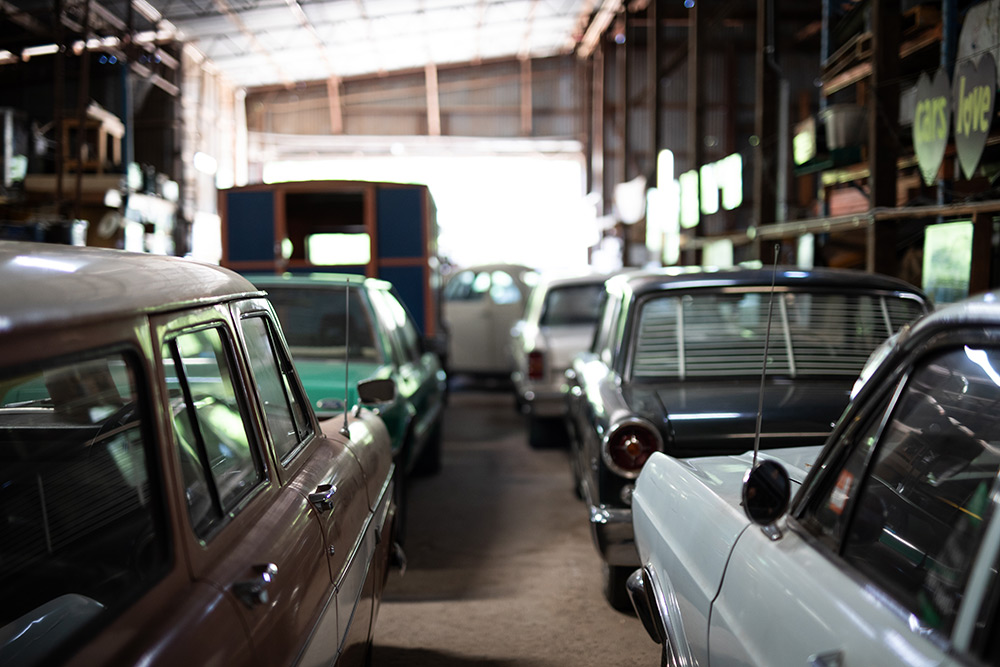
Import classic and historic vehicles under Australia’s 25 year concessional scheme

Importing a 25 year old car to Australia is possible through a concessional pathway designed for classic and historic vehicles. Previously known as the Pre-1989 Import Scheme, this option allows eligible vehicles to be imported based on their build date rather than whether they were originally supplied to the Australian market.
This pathway is commonly used by automotive enthusiasts importing classic cars and older vehicles from overseas, particularly from the USA, UK, Japan, South Africa and New Zealand. When managed correctly, a 25 year old car import can provide a compliant and practical route for bringing historic vehicles into Australia.
What Is the 25 Year Old Car Import Scheme?

The 25 year old car import scheme is a concessional vehicle import option governed by Section 36 of the Road Vehicle Standards Rules 2019. It applies to vehicles that are at least 25 years old at the time of application and are imported primarily for private ownership, collection or enthusiast use.
Although it is still widely referred to as the Pre-1989 Import Scheme, the rules changed on 10 December 2019. Eligibility is now determined by the vehicle’s build date rather than the model year or date of first registration.
Eligibility Criteria
To qualify for a 25 year old vehicle import to Australia, the vehicle must meet specific age and regulatory requirements. Eligibility is assessed at the time the Vehicle Import Approval application is submitted.
The vehicle must be at least 25 years old based on the relevant build date. The relevant build date is defined as the later of the following:
- The date the vehicle was first fully assembled
- The date any significant modifications were completed
The import must also comply with Section 36 of the Road Vehicle Standards Rules 2019, which governs concessional vehicle imports.
Eligible Vehicle Categories
Only certain vehicle classifications are eligible under the 25 year old car import scheme. These categories are defined under Australian vehicle standards.
The eligible vehicle categories include:
- Passenger Car (MA)
- Forward-control
- Passenger Vehicle (MB)
- Off-road Passenger Vehicle (MC)
- Moped, two wheels (LA)
- Moped, three wheels (LB)
- Motorcycle (LC)
- Motorcycle with sidecar (LD)
- Motor tricycle (LE)
- Light Goods Vehicle (NA)
Vehicles that fall outside these categories may need to be assessed under a different import option.
How to Apply for Vehicle Import Approval (VIA)
To apply for your personal Vehicle Import Approval (VIA), you must register online with the Department of Infrastructure. CLICK HERE to register.
For more information about the 25-year-old vehicle import option, CLICK HERE. Applications typically take three to four weeks to be processed, and you should not ship your vehicle until your Vehicle Import Approval has been granted.
Common Import Source Countries
Classic and historic vehicles imported under the 25 year rule commonly originate from countries with established enthusiast markets and well-documented vehicle histories.
The most common source countries include:
- United States of America
- United Kingdom
- Japan
- South Africa
- New Zealand
Each source country may involve different shipping, documentation and compliance considerations.
How to Apply for Vehicle Import Approval (VIA)
Before a vehicle can be shipped to Australia, a Vehicle Import Approval (VIA) must be obtained from the Department of Infrastructure. Applications are submitted online and assessed against the eligibility criteria for the 25 year old car import pathway.
Processing times typically range from three to four weeks. It is essential that the vehicle is not shipped until approval has been granted, as shipping before approval can result in delays, additional costs or refusal of entry.
What Happens After Approval?
Once a Vehicle Import Approval has been issued, the vehicle can be prepared for shipment to Australia. At this stage, the process moves from approval to logistics and border clearance.
The post-approval process generally includes:
- International shipping and freight coordination
- Arrival at an Australian port
- Customs clearance and biosecurity processing
- Transport to storage, compliance or final destination
Each stage must be completed in line with Australian import requirements.
Compliance for Registration in Australia
Import approval allows the vehicle to enter Australia, but additional compliance work is required if the vehicle is to be registered for road use. Compliance is separate from roadworthy inspections and focuses on meeting applicable Australian Design Rules (ADRs).
Compliance requirements vary depending on the vehicle type, age and registration state.
Common compliance considerations include:
- Lighting and indicator standards
- Child restraint anchor points
- Other ADR-related safety requirements
Once compliance work is completed, the vehicle can proceed to registration.
Registration by State or Territory
Registration requirements for imported vehicles differ across Australian states and territories. Each authority sets its own conditions for registering imported and left-hand-drive vehicles.
Relevant state and territory resources include:
New South Wales
Victoria
https://www.vicroads.vic.gov.au/safety-and-road-rules/vehicle-safety/vehicle-standards-information
Western Australia
https://www.transport.wa.gov.au/mediaFiles/licensing/LBU_VS_IB_106.pdf
Tasmania
https://www.transport.tas.gov.au/registration/conditional/non_compliant
Northern Territory
https://nt.gov.au/__data/assets/pdf_file/0010/374347/v48-imported-vehicles.pdf
How DAZMAC Can Help
Importing a 25 year old car involves more than arranging transport. Documentation, approvals, customs clearance and coordination with compliance specialists all need to be managed correctly. DAZMAC International Logistics provides structured support across the entire classic vehicle import process.
- Guidance on import documentation and eligibility
- Assistance with Vehicle Import Approval applications
- International shipping coordination
- Australian customs clearance
- Referrals to reputable compliance workshops
FAQ
Frequently Asked Questions
How do I import a 25 year old car to Australia?
You must meet the eligibility requirements under the concessional import scheme and obtain a Vehicle Import Approval before shipping. The process includes approval, shipping, customs clearance and registration if required.
What cars can be imported under the 25 year rule?
Vehicles that are at least 25 years old and fall within eligible categories, such as passenger cars, motorcycles or light goods vehicles, can be imported. Eligibility is based on the vehicle’s build date and classification.
What are the requirements for a 25 year old car import?
The vehicle must meet the 25-year age threshold and comply with Section 36 of the Road Vehicle Standards Rules 2019. A Vehicle Import Approval is required before the vehicle is shipped.
How long does a Vehicle Import Approval take?
Vehicle Import Approval applications typically take three to four weeks to be processed. Delays can occur if documentation is incomplete or incorrect.
Do imported classic cars need compliance in Australia?
Compliance is required if the vehicle is to be registered for road use in Australia. This is separate from roadworthy inspections and focuses on Australian Design Rule requirements.
Can I register a 25 year old imported car in Australia?
Yes, once the vehicle has received import approval and completed any required compliance work, it can be registered. Registration rules vary by state and territory.
Quote Today
Ready to Import a 25 Year Old Car?
If you are considering a 25 year old car import to Australia, understanding the rules early can help avoid delays and unnecessary costs. Professional support can make the process clearer and more efficient from approval through to registration.
If you would like further information or assistance with a 25 year old car import, including eligibility, approvals or shipping considerations, the team at DAZMAC International Logistics can help. Contact us today to discuss your vehicle and receive guidance before proceeding with the import process.