Why Boat Import Compliance Is More Than One Check
Importing a boat to Australia is rarely just a matter of buying the vessel, arranging freight and waiting for it to arrive. Before shipping, you need to understand whether the boat, trailer, fitted systems, paperwork and arrival method meet the relevant Australian import requirements.
This is where import problems often begin. If a missing approval, documentation issue, quarantine concern or equipment problem is only discovered after arrival, it can lead to delays, extra costs and a much more complicated clearance process.
Why Boat Compliance Is Not One Simple Approval
Boat import compliance depends on several connected requirements, and each one can affect whether the import process runs smoothly. A boat may appear suitable to purchase overseas, but that does not automatically mean it is ready to enter Australia without further checks.
The boat itself is only one part of the process. Compliance can also depend on how the vessel has been used, how clean it is, whether it is travelling with a trailer, what equipment is fitted and how it will be used after arrival. This is why every import should be reviewed properly before the boat is shipped.
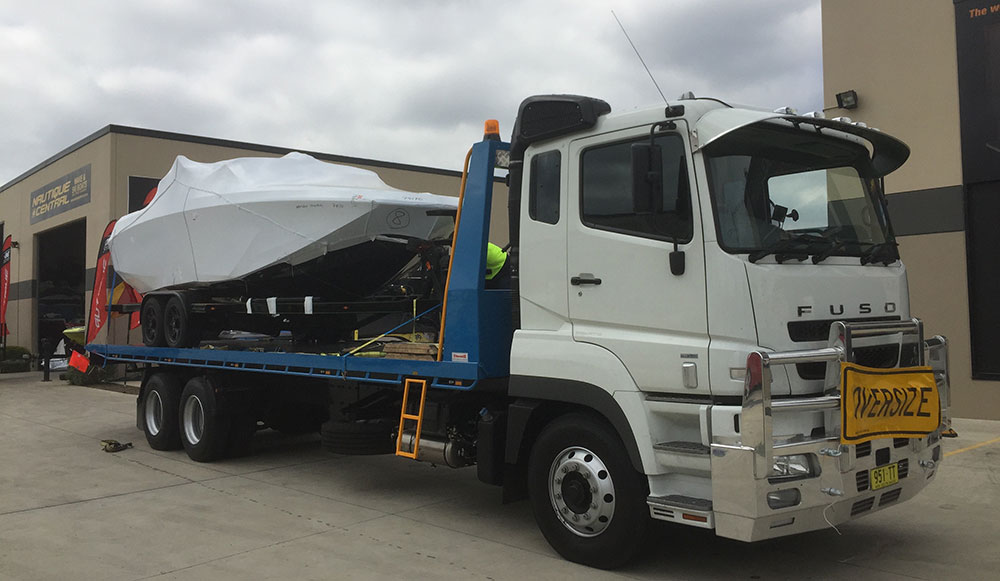
Checking boat import requirements before shipping can help reduce delays during customs and quarantine clearance.
Key Areas to Check Before Importing a Boat to Australia
The main compliance checks usually fall into a few key areas. Some will apply to almost every boat import, while others only become relevant if the boat is used, fitted with certain systems, travelling on a trailer or arriving under its own power.
Boat Documents and Ownership Details
Start with the boat’s paperwork. This may include the bill of sale, purchase invoice, vessel identification details, make, model, dimensions, value, country of origin and any supporting documents needed for customs clearance. If a freight forwarder or customs broker is acting on your behalf, further authority documents may also be needed before they can manage the clearance process.
Biosecurity and Quarantine Risk
Biosecurity is one of the biggest areas to check, especially for used boats. The hull, bilge, engine bay, anchor well, deck fittings, storage areas, trailers and mudguards can all carry marine growth, soil, organic matter, pests or water residue. If contamination is found after arrival, the boat may need further inspection, washing, cleaning or treatment before it can be released.
Trailer Approval and Road-Use Requirements
If the boat is imported with a trailer, the trailer needs to be checked as a separate compliance issue. A trailer is treated as a road vehicle, so approval, identification details, compliance plates, width, weight rating and road-use requirements may all need to be reviewed before import. This is an area where importers can run into problems if they focus only on the boat and overlook the trailer.
Air-Conditioning and Refrigerant Systems
Boats fitted with air-conditioning or refrigeration systems may need extra checks before shipping. Some systems contain controlled refrigerant gases, which can trigger permit, licence or gas-removal requirements. This should be confirmed before the boat is shipped, especially for larger vessels, cruisers or boats purchased overseas with fitted comfort systems.
Arrival Method and Registration
A boat shipped as cargo is not the same as a vessel sailing into Australia under its own power. If a boat or yacht is sailing into Australia, customs and biosecurity arrival requirements need to be handled correctly before arrival. Registration is also separate from import clearance, and the right registration pathway will depend on how and where the boat will be used once it is in Australia.
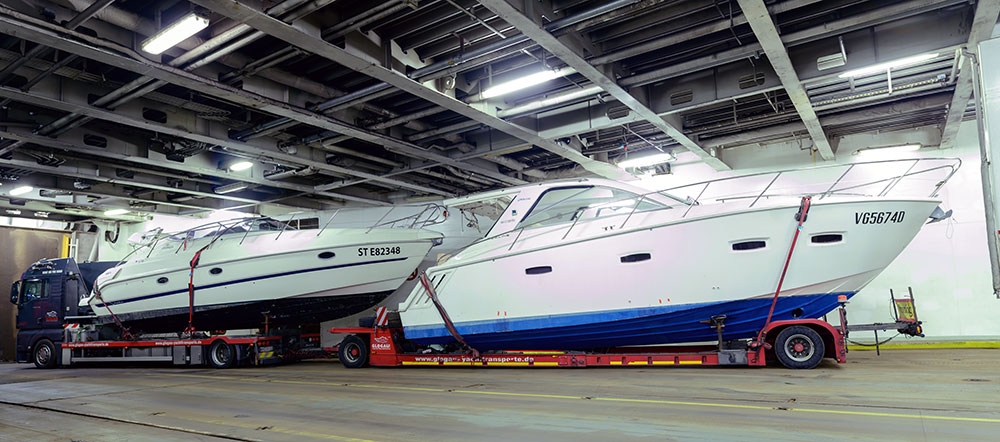
DAZMAC helps customers review boat import documents, quarantine requirements and shipping details before import.
Boat Import Compliance Checklist
Once you understand the main compliance areas, it helps to work through a clear checklist before the boat ships. This does not replace professional import advice, but it can help you identify the main issues that need to be checked early.
Before importing a boat to Australia, check that you have reviewed:
- Ownership, sale and vessel identification documents.
- Whether the boat is new, used, or previously operated overseas.
- Biosecurity risks, including marine growth, dirt, bilge water and trailer contamination.
- Whether the boat is being imported with a trailer.
- Trailer approval, width, weight rating and road-use requirements.
- Any air-conditioning, refrigeration or controlled gas systems.
- Customs and quarantine clearance requirements.
- Arrival requirements if the boat or yacht is sailing into Australia.
- Registration requirements after the boat has cleared the import processes.
- Professional import advice before the boat is purchased or shipped.
How DAZMAC Helps With Boat Import Compliance
At DAZMAC, we help customers manage the key customs, quarantine, permit, documentation and compliance steps involved in importing boats and yachts to Australia. Our team can assist with shipping coordination, customs clearance, quarantine management, trailer import requirements and air-conditioning permit support where relevant.
We also help identify potential issues before the boat ships, which is often the most important part of the process. By reviewing the vessel, trailer, documentation and import pathway early, DAZMAC can help reduce avoidable delays and make sure the import process is managed properly from the start.
Check Everything Before the Boat Ships
The worst time to discover a compliance problem is after the boat has already left the overseas port or arrived in Australia. At that stage, missing documents, biosecurity issues, trailer approval problems or refrigerant requirements can become harder to manage and more expensive to resolve.
A proper compliance check gives you a clearer understanding of what needs to happen before shipping. It also helps you avoid assuming that a boat is ready for import simply because it is available to buy overseas, looks suitable online or has already been used without issue in another country.
Get Help Importing Your Boat to Australia
If you are planning to import a boat to Australia, DAZMAC can help you check the key requirements before shipping. Contact our team to discuss your boat, trailer, documents, shipping method and compliance requirements, or get an instant quote online before the import process begins.
FAQs
Can I import a second-hand boat to Australia?
Yes, second-hand boats can be imported to Australia, but they need careful biosecurity preparation before shipping. Used boats can carry marine growth, soil, organic matter, bilge water or other contamination, so they may be inspected closely on arrival. Cleaning the boat thoroughly before export can help reduce the risk of delays, treatment costs or release issues.
Do I need a permit to import a boat trailer to Australia?
Yes, if the boat is being imported with a trailer, the trailer needs to be treated as a separate import issue. DAZMAC states that all trailers require an import permit to clear customs in Australia, and trailer approval should be arranged before arrival. Trailer width, weight rating, compliance details and road-use requirements should all be checked before shipping.
What happens if my imported boat fails quarantine inspection?
If biosecurity concerns are found after arrival, the boat may need further inspection, cleaning, washing, fumigation or other treatment before it can be released. This can create extra costs and delays. The safest approach is to identify and reduce biosecurity risks before the boat leaves the overseas port, especially with used boats, trailers and vessels that have been stored outdoors or used in marine environments.
Can I import a boat with air conditioning to Australia?
Yes, but air-conditioning or refrigeration systems need to be checked before shipping. DAZMAC states that boats fitted with air-conditioning units may require permits or gas removal before shipment, and official Australian guidance also treats imported equipment containing controlled refrigerants as a regulated area.
Do I need to register my boat after importing it to Australia?
Import clearance and boat registration are separate steps. Once the boat has cleared customs and biosecurity requirements, registration depends on where and how the boat will be used. State or territory registration may apply for local use, while Australian vessel registration can be relevant for boats travelling overseas or beyond Australian coastal limits.